Cigarettes · Cigars · Pipe tobacco
Tobacco Smoke Odor Removal for Cherry Creek Homes
Smoke odor lives in the residue on walls, ceilings, fabrics, and air ducts. Treating that residue is what keeps the smell from coming back when the heat turns on.
Why tobacco smoke odor is so stubborn
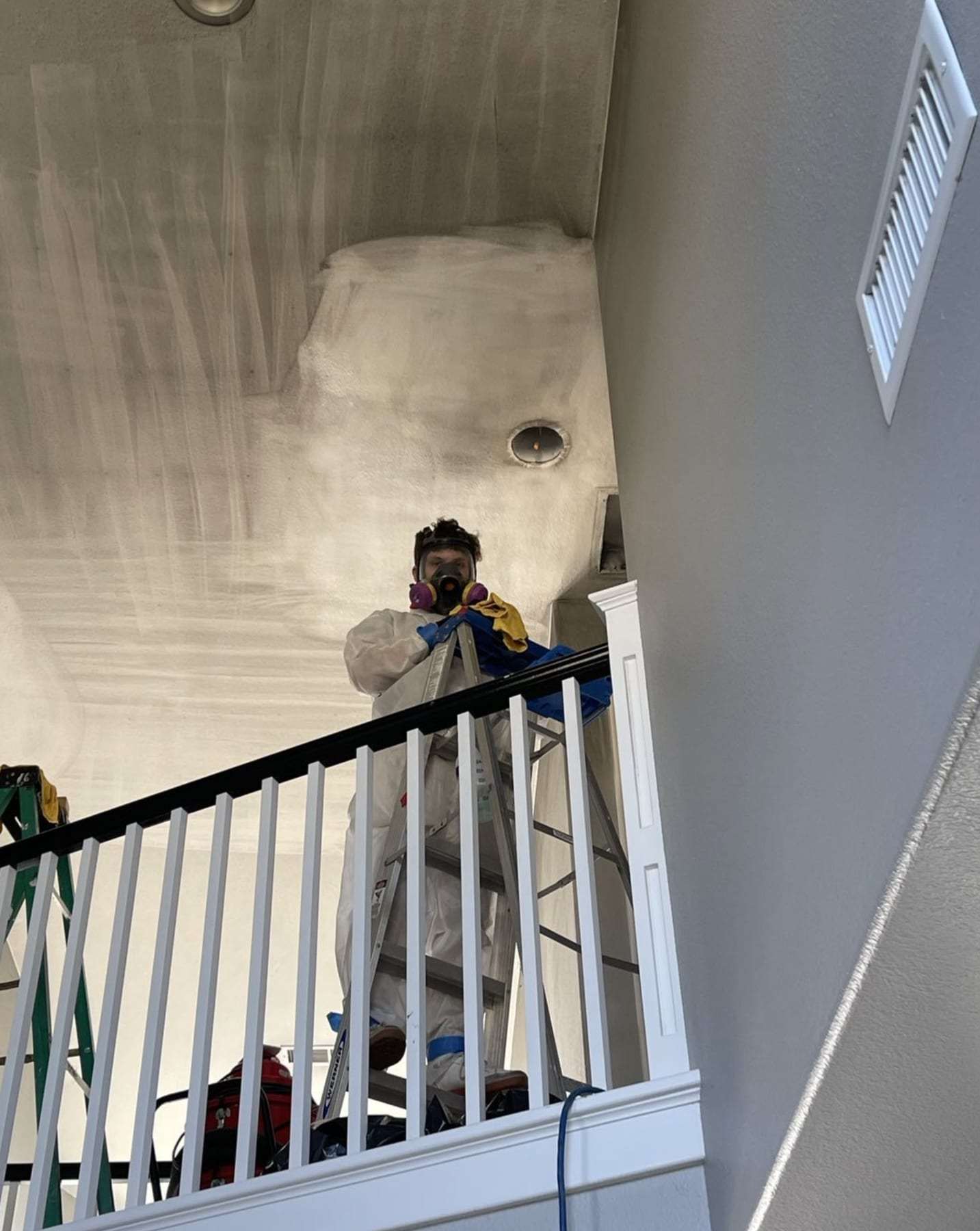
Tobacco smoke leaves a sticky residue of tar and nicotine on nearly every surface: walls, ceilings, cabinet interiors, window blinds, carpet, upholstery, and the inside of HVAC ductwork. That residue keeps releasing odor long after the last cigarette, and it can show up as yellowing on light surfaces.
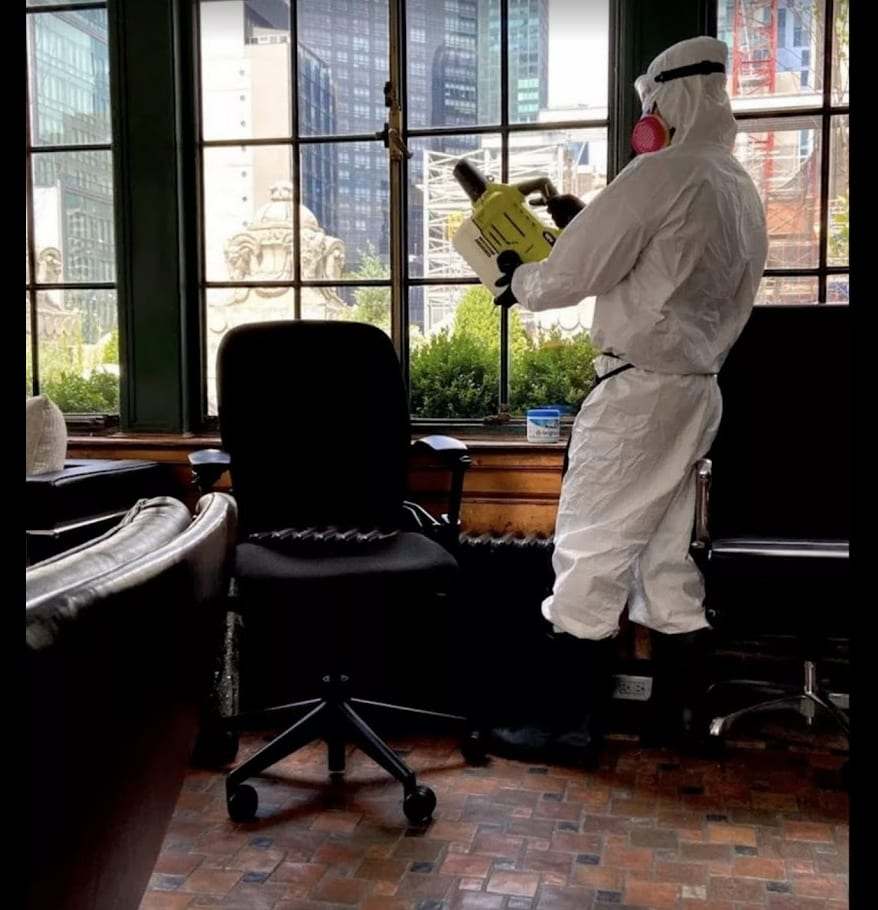
Removing smoke odor means dealing with the residue, not just the air. A thorough treatment usually combines surface treatment of affected materials with a whole-space vapor treatment that can reach the HVAC system; masking fragrances don't solve it.
ZIP codes served: 80206 (Denver), 80209 (Denver), 80218 (Denver), 80246 (Denver), 80203 (Denver).
Also nearby: 80220, 80210, 80224, 80205, 80223, 80230, 80222, 80202, 80207, 80204, 80247, 80231, 80219, 80216.
Smoke odor in Cherry Creek properties
Cherry Creek's mix of condominiums, townhomes, and single-family homes changes hands often, and smoke odor is one of the most common problems new owners discover after closing. In multi-unit buildings, smoke can also travel between units through shared walls, plumbing chases, and ventilation.
Odor treatment addresses the residue in your own space. Smoke drifting from a neighbor is a building issue that may involve your HOA, so treatment works best alongside steps like sealing gaps around outlets and pipes.
- This guide covers central Denver, including Cherry Creek, Country Club, and Hilltop.
- Treatment before painting or new flooring makes those improvements last.
- Ask whether treatment can be scheduled around your closing, move-in, and building access rules.
- Glendale and Congress Park have similar housing and the same issues.
Common Cherry Creek situations
- 1.
Condo purchased from a long-time smoker
New owners close on a Cherry Creek condo and discover the smell in the carpet, cabinetry, and air system once the unit is closed up.
- 2.
Estate preparation
A family preparing a parent's home for sale needs decades of cigarette odor addressed before listing.
- 3.
Smoke from a neighbor's unit
An owner smells cigarette smoke drifting in from a neighboring unit and wants to address residue that has built up in their own space.
Condos and managed buildings
Cherry Creek has many condominium buildings, and condos add logistics: elevator reservations, building rules on contractor hours, and sometimes an association that must approve work. Treatments that need the unit empty should be scheduled with building management, and you should get re-entry timing in advance.
If smoke may be reaching your unit from a neighbor, say so at the start. Treating your unit removes existing residue but can't stop new smoke arriving through shared walls or ventilation.
This website is a draft preview. No phone line or request form is connected yet.
Go deeper on smoke residue
Guides and checklists on finishes, air systems and what a careful assessment looks at.
- Guides
These guides take one stubborn question at a time: why a closed-up condo smells worse than it did at the showing, what pipe tobacco does to walnut paneling, whether old plaster can be saved, and when ozone is a bad idea.
- Checklists
Use these checklists when you need to act rather than read.
- Examples
Each example here is invented to illustrate a common pattern, not drawn from a real home or client.
- Neighborhoods
A radiator-heated 1910s house in Country Club and a mid-rise condo in Cherry Creek North hold smoke residue in very different places.
Signs of smoke residue
- Yellow or brown film on walls, ceilings, light switch plates, or window glass.
- Odor that intensifies when the furnace or air conditioning runs.
- A smell that returns after painting, especially on warm days.
- Discolored blinds, lampshades, or ceiling fan blades.
- Odor concentrated in a particular room, porch, or garage where smoking happened.
The assessment
Three places smoke lives in a finished home
The air system
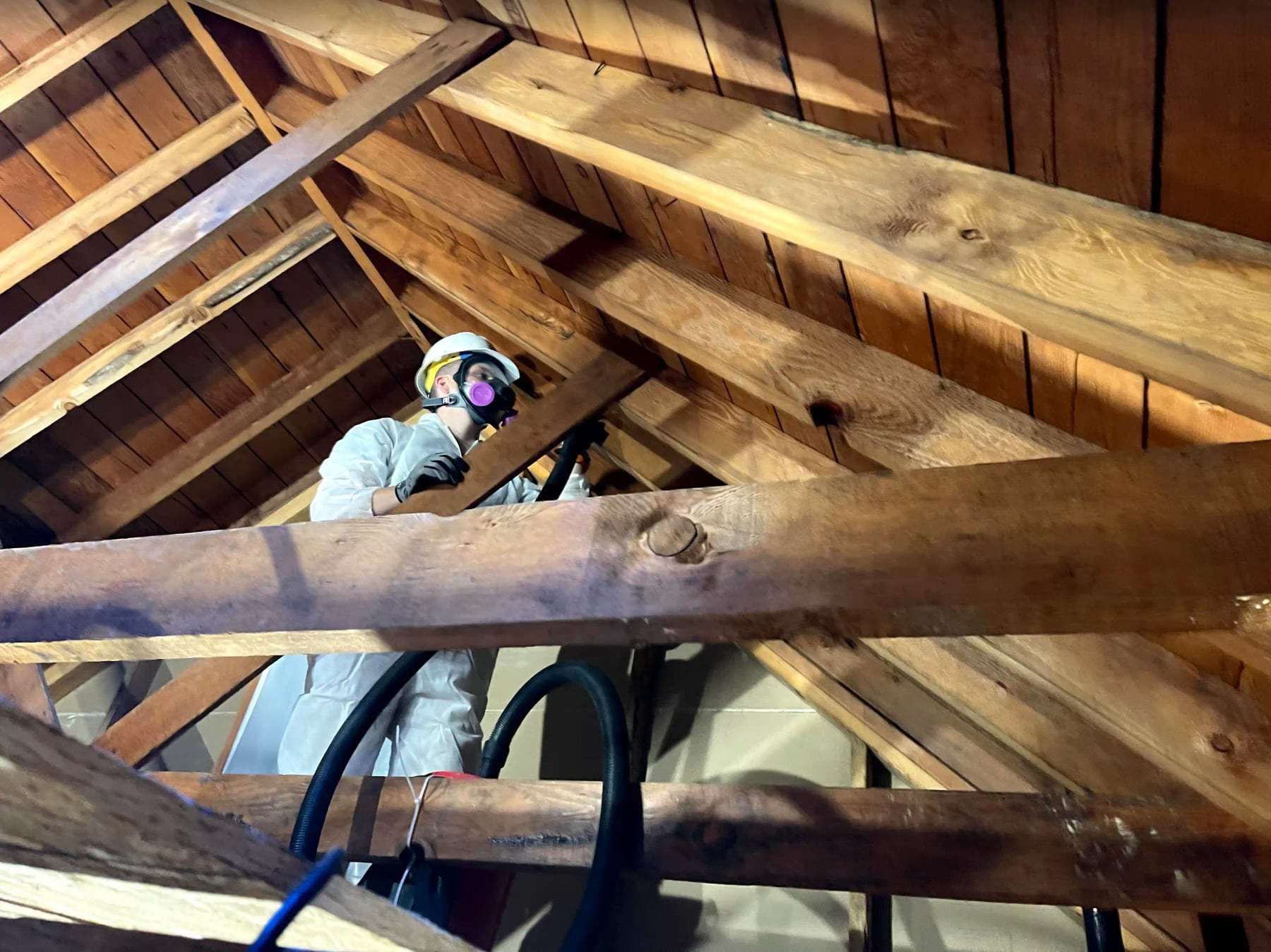
Smoke is pulled into returns and filters every time the system runs, and film builds up inside ducts and on the air handler. If the system isn't assessed, a treated home can smell again the first time the heat comes on.
- — Filters and return grilles
- — Supply registers and duct interiors
- — Air handler and coil area
Finishes
Painted walls and ceilings carry most of the residue. Finer finishes need care: the approach for lacquered cabinetry, wallpaper, natural stone or plaster is different from flat paint.
- — Ceilings, where smoke rises and concentrates
- — Wall paint, trim and doors
- — Cabinet interiors and closets
Soft surfaces
Fabric holds odor longest. The assessment separates what can be treated in place from what is worth sending out or replacing. That decision is yours, made with the costs in front of you.
- — Drapery and window treatments
- — Upholstery and mattresses
- — Carpet, rugs and pad
What helps (and what doesn't)
Do
- Replace the HVAC filter; it may be holding significant residue.
- Launder curtains and washable fabrics.
Don't
- Don't paint yet. Regular paint over smoke residue can trap odor that bleeds through later.
- Avoid air fresheners and candles, which only mask the odor.
How smoke odor is treated
A thorough treatment addresses surfaces, soft goods, and the air system together.
i Identify the source areas
Where smoking occurred and where residue has collected are identified.
ii Assess materials
Walls, ceilings, carpet, fabrics, cabinetry, and HVAC components are evaluated.
iii Recommend treatment
You should hear what will be treated, what should be cleaned or replaced, and whether sealing before painting makes sense.
iv Treat
Affected surfaces are treated, followed by a whole-space vapor treatment that includes the HVAC system.
v Evaluate
Results are reviewed, with advice on any follow-up such as painting or duct cleaning.
Request a private assessment
This form is not connected. This website is a draft preview: no business has been confirmed to receive requests, so the fields below are switched off and nothing can be sent. In an emergency, call 911.
Questions
How is cigarette smoke odor assessed?
A technician looks at where smoking occurred and how far residue spread: discoloration on walls and ceilings, odor in fabrics and carpet, and whether the HVAC system is carrying the smell. That determines the treatment plan.
Will painting get rid of smoke odor?
Painting alone usually doesn't. Residue can bleed through regular paint. Surfaces should be treated first, and sealing with an odor-blocking primer before painting is often recommended.
Does the HVAC system need to be cleaned?
If the smell gets stronger when the system runs, residue is likely in the ductwork or equipment. Whole-space treatment can include the HVAC system, and in heavy cases duct cleaning may also be recommended.
Should ozone be used?
Ask before any work starts. Ozone can damage rubber and some finishes and doesn't remove residue; bleach and synthetic fragrances don't solve the source either.
Can carpet be saved?
Often. Carpet can be treated, though heavily contaminated carpet and pad may be more practical to replace. Ask for a recommendation after the assessment.
Will treatment require temporary vacancy?
Whole-space treatments may require occupants to stay out for a period. Ask for the timing before scheduling.
Will the treatment damage high-end finishes?
It shouldn't, but ask. Bio-enzymatic neutralizers and whole-space vapor treatments are common; ozone, bleach and synthetic fragrance carry more risk to finishes. Delicate finishes should be identified during the assessment, and anything that needs a different approach or a specialist discussed before work starts.